
Gender Pay Gap Report 2026
Hourly Pay Analysis
The mean gap is influenced by a higher concentration of men in senior roles, which increases the overall average male pay. By contrast, the median figure reflects that, at the midpoint of our workforce, pay differences are much narrower. Men and women are paid more equally for similar roles, but the representation at senior levels remains imbalanced. We recognise that the gap is due to the structural composition of our workforce. Addressing this imbalance is a key priority. We are committed to improving gender representation at all levels, particularly in senior leadership positions, through development programmes and progression opportunities.
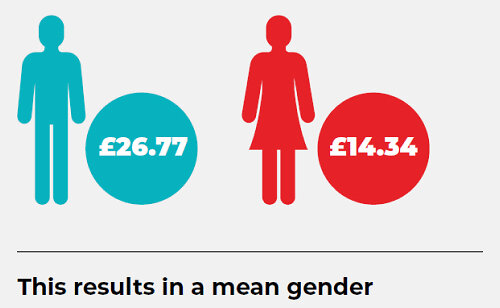
Mean Hourly Pay
The mean hourly pay for male colleagues is £26.77, whereas for female colleagues it's £14.34.
This results in a mean gender pay gap of 46.4%
View full report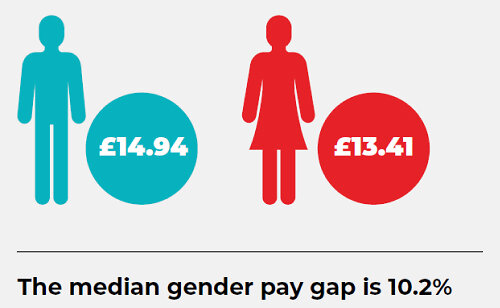
Median Hourly Pay
The median hourly pay for male colleagues is £14.94, while for female colleagues it is £13.41.
The median gender pay gap is 10.2%
View full reportBonus Pay Analysis
A small number of one off, exceptional bonuses significantly increased both the mean and median bonus pay gap. However, a solid presence of women at Regional Manager level demonstrates encouraging progress in leadership opportunities for women.
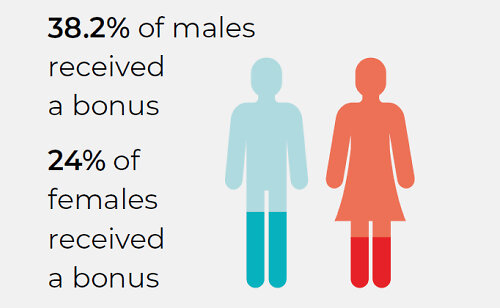
Mean Bonus Pay
Males receive an average bonus of £3,321.80, whereas females receive £912.58, resulting in a mean gender pay gap of 72.5%
Mean: 72.5%
Median Bonus Pay
Males receive £1,057.50, while females received £150.00, creating a median bonus gender pay gap of 85.8%
Median: 85.8%
View full report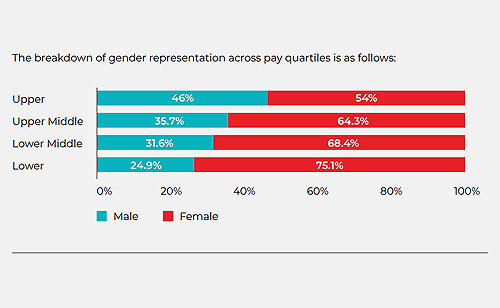
Gender Pay Quartiles
Our gender pay quartile distribution shows a higher proposition of women across all pay quartiles. This distribution highlights that while women are well represented at senior levels, they also make up a significantly larger proportion of the workforce overall, particularly in lower paid roles. This workforce composition contributes to the overall gender pay gap and remains a key area of focus as we work to ensure balanced representation and progression opportunities at all levels.
View full reportGender Pay Quartiles
Our gender pay gap is influenced primarily by the structure and composition of our workforce rather than the differences in pay for comparable roles. Women represent the majority of our colleagues across the business, and this is reflected in our overall workforce profile, where 66% of colleagues are female and 34% are male. Women are also strongly represented in leadership roles across our store operations with 71% of Regional Managers and 54% of our Store Managers being female. The median gender pay gap suggests that for the majority of roles across the business, pay levels between men and women are broadly comparable, and that the overall gap is largely driven by the distribution of roles rather than unequal pay for similar work. The median bonus gap in this reporting period has been impacted by a small number of exceptional one-off bonus payments, which were awarded in specific circumstances and are not representative of the businesses usual bonus arrangements. Bonus payments are more closely linked to senior leadership and specialist roles, which currently have greater male representation. This resulted in a higher mean and median bonus gap and a higher proportion of men receiving bonus payments overall.
Overall, the data indicates that our gender pay gap is shaped primarily by how roles are distributed across the organisation. Women remain well represented across all levels of the business including leadership roles. We remain focused on continuing to support the progression of women into senior and specialist roles while ensuring that our pay, reward and progression practices remain fair, transparent and equitable for all colleagues.
Key actions we are taking include:
Inclusive recruitment practices, with all job descriptions and job adverts reviewed using a gender decoder tool to remove gender coded language and attract the widest possible talent pool
The launch of EmpowerHER, our women’s colleague network, providing a platform for peer support, networking, development opportunities, and shared experiences, while also helping inform our inclusion initiatives
Flexible working options to support colleagues in balancing their careers with other commitments
A comprehensive benefits package including industry leading family friendly policies, wellbeing and financial wellbeing support and career break opportunities
Career development opportunities across the business, including work experience initiatives, internal progression, and secondments, enabling colleagues to broaden their skills and grow their careers
Regular monitoring of pay equity, including benchmarking salaries and reviewing pay frameworks
Ongoing review of bonus structure and reward approaches to ensure colleagues are recognised and rewarded fairly and consistently