
Travelling with your pooch without knowing the laws and legislations, as well as the risks involved, can lead to your insurance being invalidated if you have an accident. It’s always better to be safe than sorry in these situations, as not securing your pet properly can lead to injury to both of you, as well as other road users. You love your dog, so make sure you know how to travel in the car with them while keeping them safe and comfortable.
What is the law for dogs travelling in cars
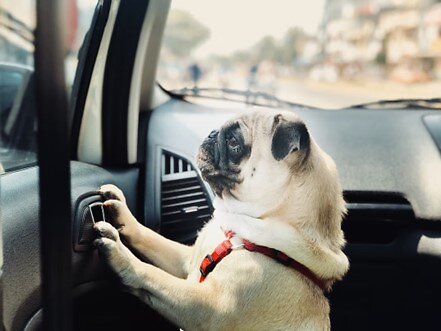
Travelling with your pet in the car is covered in Rule 57 of the highway code, which states that all animals travelling in a vehicle need to be restrained. This means they can’t distract you or cause injuries if you have to perform an emergency stop. You may think having your pooch on the passenger seat next to you isn’t distracting if they sit quietly, but by law, they need to be properly secured.
Beyond some basic suggestions of what can be used to secure your pet, the law isn’t very specific, and you have to do a bit of reading between the lines to figure out what is and is and isn’t acceptable.
Many pet parents travel with their furry family members in the boot of the car, which means they’re less likely to distract them while they’re driving. However, it can be easy to forget that they should still be suitably secured there too.
At the very least, a boot guard should be secured to separate the boot from the rest of the car. This can make all the difference in terms of your pup’s safety you get into an accident.
If you have an accident and are found to not have followed dog car travel law, you can be fined up to £5,000 and your insurance would be invalidated, so you would also be liable to pay for damages yourself. This would be the best-case scenario, assuming that your beloved pet isn’t injured as well.
Skoda UK conducted some research on how the British public travel with their pets, and found that 44% of people are unaware of the laws surrounding car travel with their dog. In fact, 9% of people even admitted to having never secured their pup in the car while and just travel with them loose on the seat.
Safe ways for dogs to travel in a car
The highway code lists things like pet carriers, crates, dog guards and seat beltharnesses as acceptable ways of securing your pup during car journeys. The option for you will depend on your personal experiences and your pet’s preferences.
If your pooch has no prior crate training, then expecting them to be happily confined to one in a car might be a bit much. Similarly, belting them in with a harness might cause some panic if they’re not used to wearing a harness at all.
It’s all about finding the most suitable method for you and your beloved pet, while making sure they are safe and secure while travelling.
Dog car travel crates
If your pooch already loves to nap in their crate, travelling in the car in one could be a comforting and relaxing experience for them. If you buy a crate for the car and your pup isn’t used to being confined to one, you will have a little more work to do before you take any journeys with them. Making sure your furry family member is crate trained and happy being shut inside is vital to making sure their journey is as stress-free as possible.
Crates are useful as it means you don’t have to tether your dog to anything, and they can have free roam of their little space while you drive. They can also be handy if your pup doesn’t like to see moving traffic, as you can use a blanket to cover them up and keep them nice and calm.
Dog travel bed for cars
Getting a dog bed for your pooch to travel in can make their journey a much more pleasant one, especially if you use one they already enjoy curling up in. Additionally, they’ll be more inclined to lie down for the ride instead of standing or trying to explore!
In some cases, bringing a dog bed may not be entirely suitable. For example, a Great Dane would require a large bed, which might not fit on the back seat, but if you have a big enough car, it might slot into the boot if you’re lucky.
Even if your pup settles well in their bed and doesn’t move around as you drive, by law, they still need to be secured to keep you both safe. You can clip their harness onto a Seatbelt Restraint. Ideally, you should always use a harness to attach any restraint in the car as if you have to brake suddenly, a collar could damage your dog’s neck if they jolt too hard.
Dog travelling in car boot tips
Travelling with your pooch in the boot can be a great way to give them plenty of space to stretch out while making sure they don’t distract you. It works well for medium to large breeds of dog where you can keep an eye on them and make sure they’re relaxed in the rear-view mirror.
For pocket-sized puppies, it may be a little too stressful, as you won’t be able to see them over the seats. While distance is good for you as a driver, if your pet can get worried by travelling or even being apart from you, it might be a little too far away for comfort and the back seat might be more appropriate so they can still see you at all times.
While in the boot, pets still need to be secured, so you’ll need a boot guard or crate to stop them from climbing over the back seats. You might want to invest in a boot liner to keep hair, dirt and muddy pawprints from marking the lining of your boot.
Can Dogs Travel in the Front Seat of a Car?
While there is no law to stop you from driving with your dog in the passenger seat, the law states that your pet cannot be a distraction to you when you’re behind the wheel. This means that they still need to be secured properly and it may not be a suitable mode of travel for a large breed of dog like a Labrador that can easily lean across to you and distract you.
For smaller breeds, travelling in the front seat can be suitable if properly secured. It can be especially helpful if your pup suffers from separation anxiety and they’re better closer to you.
If in the passenger seat, the chair should be positioned as far back as it can go to make sure it’s not too close to the dashboard. You should also turn off your airbags, as they are usually at face height rather than chest height for your pets and could cause injury.
As well as safety measures, if you plan on having other passengers besides your fluffy family member, then you may want to get a cat seat cover so you can remove it along with any dirt and fur they leave behind.
Tips for travelling long distances with dogs in the car
If you plan on taking a long car journey with your pet, then planning for plenty of stops is a must. Before you make any long trips, you should first do lots of shorter ones to make sure your pup is comfortable in the car. If they get stressed or car sick, you may need to consider asking a vet if there’s anything you can give them to help with this, but you should not feed them for two to three hours before a long car ride to reduce the risk. Plenty of short and sweet trips in the car with something good like a walk on the other side will teach your pup that the car is a good thing.
Even if you plan to stop at places that provide water, you should still take your own and something like the Crufts 2 in 1 Travel Bowl & Water Bottle means you have everything you need with you to keep them hydrated and happy!
You should never plan to get out of the car with your furry family member around any fast-moving traffic like on the hard shoulder, which is also against the law!
Why safe travel matters for dogs
Safe travel isn’t just a nice-to-have when you’re heading out with your dog - it’s essential for keeping tails wagging and journeys stress-free. An unrestrained dog can quickly become a distraction for the driver, increasing the risk of accidents, while sudden stops or sharp turns can put your pet at serious risk of injury. In the worst cases, a loose dog could even be thrown from the vehicle or interfere with driving controls. By choosing safe, secure travel solutions you’re not only protecting your pup, but also everyone else in the car! Better still, dogs who feel secure are often calmer and more relaxed, turning every trip into a smoother ride for both of you.
Choosing the right travel equipment for your dog
Choosing the right travel equipment for your dog is key to making every car journey safe, comfortable, and fuss-free. From crash-tested harnesses and secure crates to sturdy boot guards and seat covers, there are plenty of options designed to keep your pup protected on the move. The trick is finding the right fit for your dog’s size, breed, and travel style -equipment should be snug without restricting movement, and tough enough to handle a bit of excited wriggling. Prioritising comfort with padded materials and good ventilation helps your dog stay relaxed, while durable, high-quality designs ensure long-lasting safety you can rely on.
Dog harnesses and seat belts
If you’re off on a hike with your canine companion, a dog car harness is a quick and easy way to secure them in the car and can also be used to go on a walk. Harnesses can double as both a car restraint and walking gear. The attachment that connects to the harness to secure them in the car can easily be unclipped and swapped for a lead to help make your walks as seamless as possible. You won’t have to change them out of their car harness and into their walking harness if you don’t want to.
One of the easiest ways you can secure them in the back seat is using a universal attachment. All you need to do is clip it onto their harness and find the right attachment that fits into your seatbelt buckles. Once they’re buckled in, you can travel safely with them in the back seat.
Boot guards and barriers
Dogs can be a distraction to you whilst you drive, no matter where they are, but if you want to travel with them in the boot, you have to find a way to keep them in there. Many leggy breeds can easily clamber from the boot to the backseat, which can be dangerous. Using a boot guard keeps your pet secure and safe, whilst a boot mat keeps your boot clean! As they get a little long in the tooth, you can get a dog car ramp to still be able to take them out on adventures without doing your back in trying to lift them in.
Choosing the right size crate
If you want something a little more secure so that you can move in and out of the car when your beloved pet isn’t travelling with you, a crate can be helpful. They’re especially useful if your dog is already used to a crate in the house as it’s something familiar that can help them relax and settle in the car. When choosing a crate, you have two choices. A hard wire crate is a popular choice for car travel as the solid build adds protection, or you can choose a soft crate that is a little easier to move around.
A crate should be big enough for your pup to stand up in, stretch and turn around without hitting any of the sides. However, they shouldn’t be so big that if you do have a bump or have to stop quickly, there isn’t too much room for them to fall over and hurt themselves.
The downside to using a crate largely boils down to how much room they can take up. You have to have a pretty large car to be able to slot one into the boot, and if you have a large or giant breed dog, you might even struggle to find one that’s big enough.
Preparing your dog for car travel
Getting your dog ready for car travel is just as important as the journey itself. Start by helping them build positive associations with the car - short, calm trips paired with treats and praise can work wonders for nervous pups. Gradually increase the length of the journey so they can adjust at their own pace, and always make sure they’ve had a chance to stretch their legs and burn off a little energy beforehand. Bringing along familiar items like their favourite blanket or toy can add an extra layer of comfort and reassurance. With a bit of preparation (and maybe a treat or two up your sleeve), you’ll help your dog feel relaxed, confident, and ready to enjoy the ride.
Health checks before travelling
Before setting off, it’s worth giving your dog a quick health check to make sure they’re fit and comfortable for the journey ahead. Ensure they’re up to date with vaccinations and flea and worm treatments, especially if you’re travelling further afield or planning stops along the way. If your dog is prone to travel sickness or anxiety, speak to your vet in advance about suitable remedies or calming solutions. Check their collar and ID tag are secure and up to date, and give them a quick once-over for any signs of injury, discomfort, or illness. A healthy pup makes for a smoother trip!
Feeding and hydration before a journey
Feeding and hydration play a big role in keeping your dog comfortable on the road. It’s best to avoid giving a large meal right before setting off, as this can lead to travel sickness - aim to feed your dog a few hours in advance instead. Make sure they have access to fresh water before the journey and plan regular stops so they can rehydrate and stretch their legs. For longer trips, bringing a portable water bowl and their usual food can help keep things familiar and stress-free.
What to pack for your dog
· Secure travel equipment (harness, crate, or boot guard)
· Lead and collar with up-to-date ID tag
· Food and treats for the journey
· Fresh water and a portable bowl
· Favourite blanket or toy for comfort
· Poop bags for clean-up stops
· Towel or wipes for muddy paws
· Any medication your dog may need
· Pet first aid kit for emergencies
· Seat cover or car protector to keep things clean
Keeping your dog comfortable during car journeys
Keeping your dog comfortable during car journeys makes all the difference between a stressful trip and a tail-wagging adventure. Just like us, dogs can feel uneasy on the road, so creating a calm, cosy space helps them settle and enjoy the ride.
Managing temperature and ventilation
Think soft bedding, good ventilation, and a familiar scent from home to help them relax. Regular breaks for stretching, sniffing, and rehydrating also go a long way in keeping spirits high. When your dog feels safe and comfortable, you’ll both arrive happier.
Creating a calm travel environment
Your furry friend needs to feel calm and comfortable whilst travelling! Keeping noise levels low and avoiding sudden loud music can help prevent anxiety, while a steady driving style—smooth braking and gentle turns—reduces stress and motion discomfort. For particularly nervous pups, calming aids or pheromone sprays may offer extra support.
How to prevent motion sickness in dogs
Motion sickness can make car journeys uncomfortable for dogs, but a few simple steps can help keep things smooth and stress-free.
Signs of travel sickness
Travel sickness in dogs can show up in a few tell-tale ways, so it’s worth knowing what to look out for before and during a journey. Common signs include drooling, lip licking, yawning, whining, or restlessness which are often early clues that your dog feels uneasy. As it progresses, you might notice vomiting, lethargy, or a reluctance to get into the car at all. Some dogs may also appear anxious or unsettled, pacing or trembling as the journey continues. Spotting these signs early means you can stop for fresh air or adjust their setup.
Ways to reduce nausea during travel
Start by getting your dog used to the car gradually with short, positive trips before longer journeys. Try to avoid feeding them a large meal right before travel, as a light stomach is less likely to feel unsettled. Keeping the car well-ventilated and cool can also make a big difference, as fresh air helps reduce nausea. Positioning your dog where they can look forward (rather than sideways) may help some dogs feel more stable during the ride. For pups who struggle more severely, your vet may be able to recommend suitable treatments or calming aids.
Travelling with puppies and senior dogs
Methods and solutions to travelling with your dog aren’t a one-size-fits-all approach! What works best for your dog can depend on their age, breed or health conditions.
Special considerations for puppies
Travelling with a puppy can be an exciting experience, but it comes with a few extra considerations. Young dogs are still getting used to the world, so it’s important to keep journeys short, positive, and well-paced to avoid overwhelming them. Make sure they’re safely secured in a properly fitted harness or crate, and bring along familiar items like a blanket or toy for reassurance. Puppies may need more frequent breaks for toilet stops and to burn off a bit of that boundless energy, so plan ahead.
Supporting older dogs with travel
Older dogs may need a little extra care to stay comfortable on the road. Joint stiffness, reduced mobility, or underlying health conditions can make long journeys more challenging, so ensure they have plenty of cushioning and space to lie down comfortably. Regular breaks are essential to allow them to stretch, move around gently, and stay hydrated. It’s also wise to check in with your vet before travelling, particularly for longer trips, to make sure your dog is fit to travel and any medications are up to date.
Taking breaks and planning your route
How often to stop on long journeys
Frequency of stopping with your dog can vary depending on their breed, age or any health conditions. Generally, every 2-4 hours is suggested but it’s also important your dog is familiar with the car, and you are familiar with their behaviour and routine. Keep an eye on signs of stress – if they’re stressed, adjust your stops accordingly.
Safe places to stop with your dog
Dogs need a chance to get out of the car, go to the toilet and stretch their legs every two to three hours, but this can vary depending on your pet. Services are a great place to pull over as many of them have designated areas for you to walk around with your pooch and water for them to have a drink.
Travelling with more than one dog
It can seem overwhelming to travel with more than one dog, but it’s possible! Most importantly, each dog should be suitably restrained and have their own secure travel set up to keep them and each other safe on the road.
Keeping multiple dogs safe comfortable
Make sure there’s enough room for all dogs to sit, lie down, and turn comfortably, and consider their personalities too - some pups prefer a bit of personal space, especially on longer journeys. Pack enough essentials for each dog, including water, bowls, and comfort items, and plan regular stops so everyone can stretch their legs and have a break.
When to consult a veterinarian
Knowing when to consult a vet before travelling can make all the difference to your dog’s comfort and safety. If your dog has any existing health conditions, is recovering from illness or surgery, or hasn’t travelled before, it’s a good idea to seek professional advice ahead of your trip. You should also speak to your vet if your dog shows signs of severe travel anxiety or motion sickness, as they may recommend suitable treatments or calming solutions. For longer journeys or holidays, especially abroad, your vet can ensure vaccinations, parasite prevention, and any required documentation are up to date. When in doubt, a quick check-in with your vet helps give you peace of mind.
Emergency planning on the road
When travelling with your dog, having an emergency plan in place ensures you’re prepared for the unexpected and can act quickly if needed. Before you set off, check the route for nearby veterinary clinics and save their contact details in your phone, especially if you’re travelling long distances or into unfamiliar areas. Carry a basic pet first aid kit with essentials like bandages, antiseptic wipes, and any prescribed medication your dog may need. In the event of illness, injury, or sudden distress, pull over safely as soon as possible and contact a vet for advice before continuing your journey.
After the journey
After a car journey, it’s important to help your dog decompress and settle back into their normal routine.
Helping your dog settle after travel
Give them time to stretch their legs, go to the toilet, and rehydrate as soon as you arrive, especially after longer trips. A calm walk or some gentle play can help release any pent-up energy and ease them back into a relaxed state. You may also want to offer a small meal once they’ve fully settled, rather than immediately after travel. Most importantly, give them plenty of reassurance and comfort.
Checking for signs of fatigue or stress
After travelling, dogs may show subtle signs that they’re feeling stressed or uncomfortable, so it’s worth knowing what to look out for. Common indicators include excessive panting, shaking, whining, or restlessness, as well as pacing or difficulty settling once you’ve stopped. Some dogs may become unusually clingy or withdrawn, while others might lose interest in food or treats shortly after the journey. Physical signs like drooling, yawning, or licking their lips can also suggest lingering travel stress or nausea. In more noticeable cases, you might see stiffness or reluctance to move, especially after long periods in the car. Spotting these signs early allows you to give your dog the rest, reassurance, or veterinary support they need.
Now you’re ready fur the ride with your canine companion! For all of your dog’s travel essentials (and more), have a sniff around in store or online.


